Category: Asia

  • Trip to the Maldives

    Trip to the Maldives

    The Maldives is the closest thing to heaven on Earth you will find in a passport stamp. Unfortunately, these islands are slowly sinking as sea levels rise, so if it is on your bucket list, do not leave it too long. Here is everything you need to plan a first trip.

    Where are the Maldives?

    The Maldives is a chain of more than 1,000 coral islands grouped into 26 atolls in the Indian Ocean, about 500 miles south-west of India. Male is the capital and also home to the main international airport.

    When to go

    The dry season runs from November to April and is the best time to visit, with calm seas and low humidity. The wet season (May to October) is cheaper and still gets plenty of sunshine, but you should expect short tropical downpours.

    Where to stay

    There are three broad options and they suit different budgets.

    Resort islands — each island is one resort. This is the classic Maldives experience with overwater villas, private beach access and all meals included. Expect £400-£2,000 per night.

    Local islands — since 2009, tourists have been able to stay in guesthouses on inhabited local islands like Maafushi, Thulusdhoo and Dhigurah. You get real culture, meals from £10 and rooms from £60.

    Liveaboard boats — if diving is the main reason you are going, a liveaboard covers more reefs and manta-ray hotspots than any single resort.

    What to do

    Snorkel and dive — the reefs are the main attraction. You will see reef sharks, turtles, parrotfish and, if you time it right, manta rays and whale sharks. The South Ari Atoll is one of the world’s best spots for whale shark encounters year-round.

    Sandbank picnic — most resorts and guesthouses run half-day trips to an uninhabited sandbank. It is as Instagram-perfect as it sounds.

    Sunset dolphin cruise — pods of spinner dolphins ride the bow wave most evenings. Bring a camera.

    Surfing — the breaks around Thulusdhoo (including the famous Cokes) are world-class between March and October.

    How to get there

    All international flights land at Male (MLE). From there you transfer to your island by speedboat (up to 30 minutes), domestic flight plus speedboat, or seaplane. Seaplane transfers are the most scenic and most expensive at around £300-£500 return, but they only operate during daylight.

    Practical tips

    A 30-day tourist visa is free on arrival for most nationalities. Credit cards are accepted everywhere on resort islands; local islands are more cash-friendly (US dollars and rufiyaa). Alcohol is only sold on resort islands and liveaboards — local islands are dry. Pack reef-safe sunscreen.

  • What to Do in Dubai in One Day

    What to Do in Dubai in One Day

    Long-haul flights to Asia often route through Dubai, which makes it easy to turn a transit stop into a full day of sightseeing. Dubai is compact in the right places and has enough icons to fill 12 hours without feeling rushed. Here is a realistic one-day plan.

    Morning — Burj Khalifa and Dubai Mall

    Start at the Burj Khalifa observation deck. Book the first slot of the day (8.30am) to avoid both the heat and the crowds, and to catch the desert haze burning off. Tickets are around £35 for levels 124-125 and worth booking online in advance.

    Walk straight into Dubai Mall afterwards for breakfast. The mall is directly connected to the Burj and you will also find the Dubai Aquarium and the waterfall sculpture here.

    Late morning — Dubai Fountain and Souk Al Bahar

    The Dubai Fountain show runs every 30 minutes from late morning. Grab a coffee at Souk Al Bahar, sit outside with a view of the Burj Khalifa reflecting in the lake, and watch one or two rounds of the fountain.

    Lunch — Al Seef or Old Dubai

    Taxi over to Al Seef on Dubai Creek for a more traditional setting. Sit waterside at a local restaurant and try machboos (spiced rice with chicken or fish), a fresh juice and Arabic coffee. Budget around £20 for a full lunch.

    Afternoon — Al Fahidi and the abra crossing

    Walk through the Al Fahidi historic district, which is the old Dubai of wind towers and sandstone alleys. Then take an abra (traditional wooden boat) across Dubai Creek for less than £0.25. On the other side are the Gold Souk and the Spice Souk, both worth 30-45 minutes.

    Evening — Marina walk or desert sunset

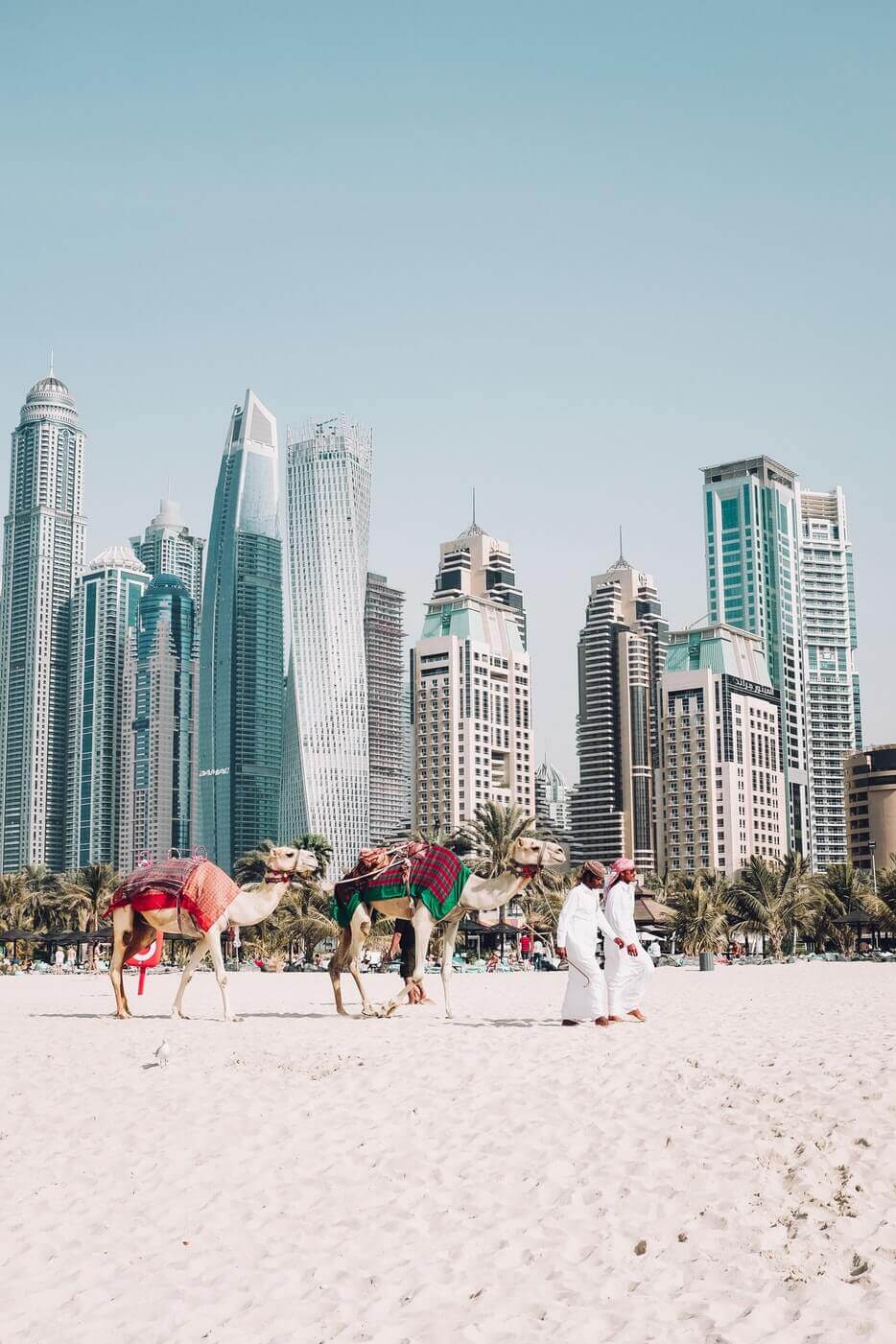
    You have two good options. Option one: taxi to Dubai Marina, walk the promenade and have dinner at a waterfront restaurant. Option two, if you booked ahead: a desert safari with dune bashing, camel ride and a BBQ dinner under the stars. Both options get you back to the airport in time for a late connection.

    Where to stay if you need a hotel

    If you have an overnight layover, stay close to the airport. Dubai International Hotel is inside Terminal 3 and runs from around £150 per night. For a view, Palace Downtown puts you right next to the Burj Khalifa. For budget travellers, Rove hotels are clean, well-located and start around £60.

    Getting around

    Dubai is a big city and taxis are the fastest way to cover ground. The metro works well between the airport, Downtown and Marina. Uber and Careem both operate and are usually cheaper than street taxis for longer runs.

  • Best Places in Sri Lanka

    Best Places in Sri Lanka

    Sri Lanka is a perfect place to travel. It is small enough to cross in a week, yet diverse enough to feel like five countries stitched together. You get breathtaking beaches, world-class surf, cool mountain hikes, ancient temples and some of the best safari in Asia.

    Below is a shortlist of the best places in Sri Lanka and exactly what to do in each one.

    1. Weligama — learn to surf

    Weligama is the easiest place in Sri Lanka to start surfing. The bay is wide, the water is warm year-round and the waves break gently over a sandy bottom, which is ideal for beginners. Dozens of surf schools line the beach and a group lesson with board rental costs around £15-20.

    2. Ella — hiking and the nine arches

    Ella is the highlight of the hill country. Spend a morning hiking Little Adam’s Peak (easy, 45 minutes up) or Ella Rock (harder, two hours), then walk down to the Nine Arches Bridge to catch the blue train rolling across at 2pm. Stay for the sunset at a cliff-edge cafe.

    3. Sigiriya — the rock fortress

    Climb the 5th-century Sigiriya rock at sunrise to beat the heat and the crowds. The view over the jungle is worth the 1,200 steps. Pair it with a visit to Pidurangala Rock opposite, which gives you the best photo of Sigiriya itself.

    4. Yala National Park — leopard safari

    Yala has one of the highest leopard densities in the world. Book a morning jeep safari (5am start), bring a zoom lens and be patient. You will also see elephants, crocodiles, peacocks and sloth bears.

    5. Mirissa — whales and beach days

    Mirissa is the place for blue whale watching between November and April. Boats leave at 6am and you are usually back by lunch. Afterwards, Coconut Tree Hill at sunset is the classic Mirissa postcard.

    6. Kandy — the Temple of the Tooth

    Kandy is the cultural capital of Sri Lanka. Time your visit for the evening puja at the Temple of the Sacred Tooth Relic. The train ride from Kandy to Ella is one of the most scenic rail journeys in the world — grab a window seat on the right-hand side heading south.

    7. Galle — the colonial fort

    Galle Fort is a walled old town on the south coast, full of boutique hotels, cafes and art galleries. Walk the ramparts at sunset, then eat seafood curry at one of the Pedlar Street restaurants.

    Practical tips

    The best time to visit the south and west coasts is December to March. The east coast (Arugam Bay, Trincomalee) is better between May and September. A 30-day tourist visa is available online through the ETA system and most itineraries work best with a private driver, which is cheaper than you would expect at around £40-60 per day.